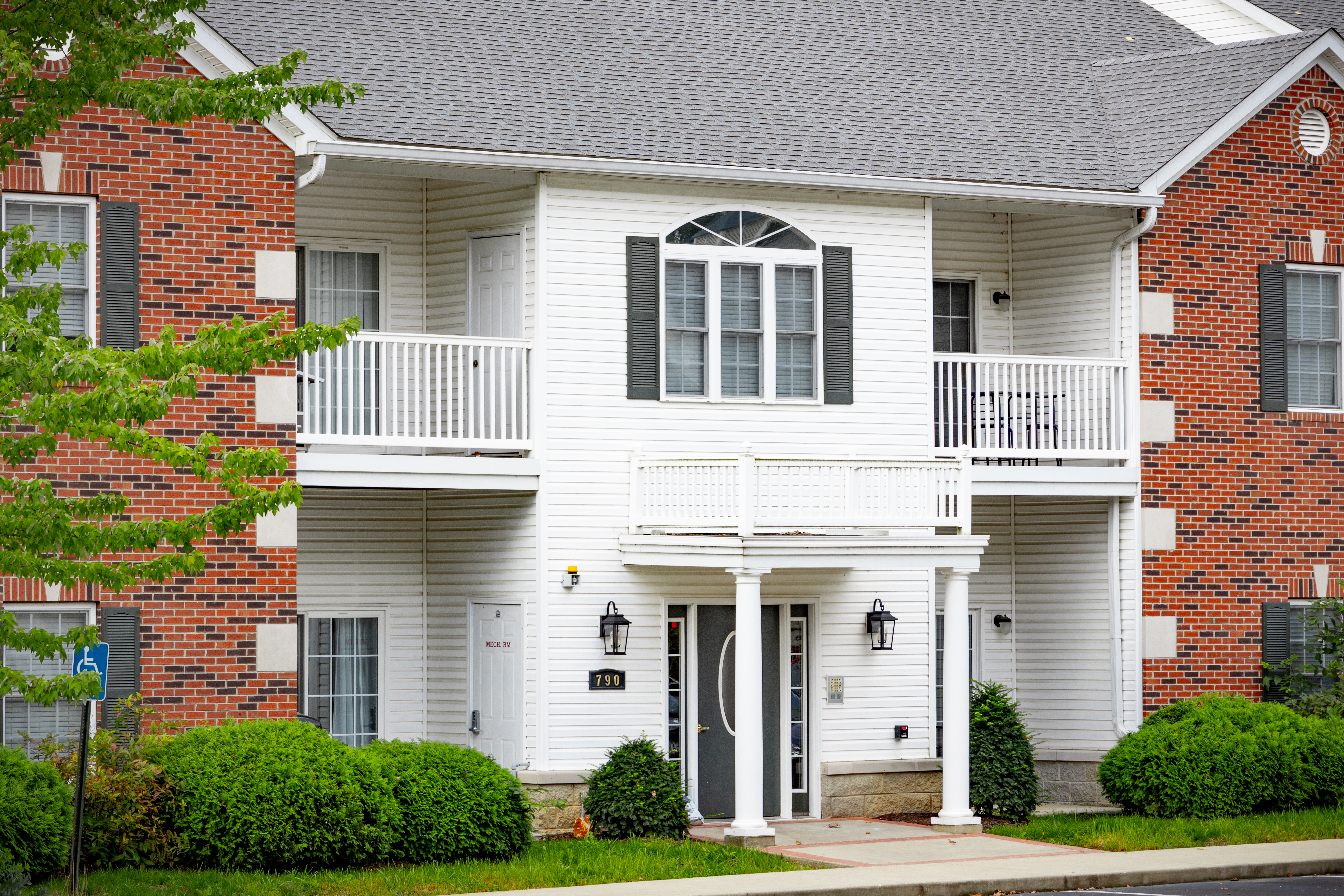
Yes — Bloomington, Indiana is a good place to live, and it’s consistently recognized as one of Indiana’s most livable cities. It has genuine character, outstanding outdoor access, a strong job market anchored by Indiana University and Cook Medical, and a cultural depth that you don’t typically find in Midwest cities of its size (about 85,000 people). The trade-off is a rental market that’s more competitive and more expensive than other Indiana cities of comparable population.
Cost of Living in Bloomington, Indiana
Bloomington is more expensive than Terre Haute, Evansville, or Lafayette, but significantly less expensive than Indianapolis when accounting for comparable housing quality. The primary cost driver is housing — IU’s 45,000+ students create consistent, year-round demand that keeps rents elevated relative to Bloomington’s overall wage base. Grocery, utility, and transportation costs are in line with or slightly above Indiana averages.
For professionals earning IU faculty salaries, Cook Medical engineering wages, or IU Health clinical wages, Bloomington’s cost of living is very manageable. For lower-wage workers, the tight rental market can be challenging. The best value-to-quality ratio in Bloomington is typically found in the east side corridor near College Mall and IU Health rather than in the near-campus neighborhoods closest to the university.
Employment in Bloomington
Indiana University is the dominant employer with roughly 15,000 positions across academic, administrative, research, and facilities roles — making it one of the most stable employment anchors in the state. Beyond IU, Bloomington’s economy is stronger than most outsiders expect. Cook Medical, one of the world’s leading medical device companies, has its global headquarters in Bloomington and employs thousands of engineers, researchers, and business professionals. IU Health Bloomington Hospital on SR-45 is a major healthcare employer. Catalent provides pharmaceutical manufacturing employment. A growing cluster of tech and life sciences companies spun out of IU’s research enterprise has added meaningful private-sector depth over the past decade.
Quality of Life in Bloomington
Bloomington’s quality of life is exceptional for a city of its size. The highlights:
- Outdoor access: Lake Monroe (Indiana’s largest reservoir) is 10 miles south. Hoosier National Forest begins at the city’s edge. Brown County State Park — Indiana’s best fall foliage destination — is 20 miles east. The B-Line Trail connects the downtown to Switchyard Park.
- Arts and culture: IU’s performing arts programs, the IU Art Museum, the Buskirk-Chumley Theater, and a consistent calendar of concerts, lectures, and cultural events give Bloomington a cultural richness rarely found in cities this size.
- Food and dining: The concentration of international students, researchers, and arts professionals has created a food scene that punches well above Bloomington’s weight class. The Saturday Farmers’ Market on Showers Plaza (April-November) is one of the Midwest’s best.
- Walkable downtown: Kirkwood Avenue and the Courthouse Square area are genuinely walkable — rare in Indiana cities outside of Indianapolis’s inner loop.
What Bloomington Is Not
Bloomington is not a large city. If you need the employment diversity of a major metro, the nightlife of a city of 300,000+, or housing options that aren’t affected by a major university’s academic calendar, Bloomington will have limitations. August move-in week is genuinely chaotic, and the city’s identity is inseparable from IU in ways that can feel constraining for residents who have no university connection.
Who Bloomington Is Right For
- IU faculty, staff, and graduate students who want to be embedded in one of the country’s great university communities
- Cook Medical and life sciences professionals who want a high quality-of-life city at Indiana prices
- IU Health and healthcare professionals who want clinical employment in a city with genuine cultural depth
- Outdoor enthusiasts who want Lake Monroe, Hoosier National Forest, and Brown County within 30 minutes
- Arts and culture seekers who want a city that punches above its weight on dining, performance, and intellectual programming
Frequently Asked Questions
Is Bloomington, Indiana affordable?
Bloomington is affordable relative to Indianapolis and far below coastal city costs, but more expensive than most Indiana cities of similar size. IU’s consistent housing demand keeps rents elevated year-round. Professionals at IU, Cook Medical, or IU Health find Bloomington very livable on their salaries. Service workers and lower-income renters face a tighter market with fewer affordable options than comparable Indiana cities.
Is Bloomington, Indiana safe?
Bloomington is generally a safe city. The near-campus neighborhoods, downtown, and east side corridors where professional renters typically live have strong safety records. Like any university city, Bloomington has property crime concentrated in high-density student areas. Professionally managed Class A communities away from the densest undergraduate corridors — like Echo Park Apartments and Forest Ridge — provide a stable, professionally monitored residential environment.
What is Bloomington, Indiana known for?
Bloomington is known for Indiana University (including IU Basketball, one of the most storied programs in college basketball history), Cook Medical’s global headquarters, the limestone quarry industry that built much of Washington DC and New York, a nationally recognized independent arts and music scene, and the Saturday Farmers’ Market. The film “Breaking Away” (1979) was set and filmed in Bloomington and remains the most famous cultural artifact associated with the city.
Finding an Apartment in Bloomington
For professionally managed Class A housing in Bloomington, explore Echo Park Apartments and Forest Ridge, both managed by Gray Residential — the strongest options in Bloomington for renters who want modern finishes and professional management rather than the student-market housing that dominates near-campus areas.
Leave a Reply